Products
Our products cover multiple core areas such as fine chemicals, basic chemicals, and specialty chemicals, and are widely used in key industries such as coatings, building materials, pharmaceuticals, new energy, and new materials.
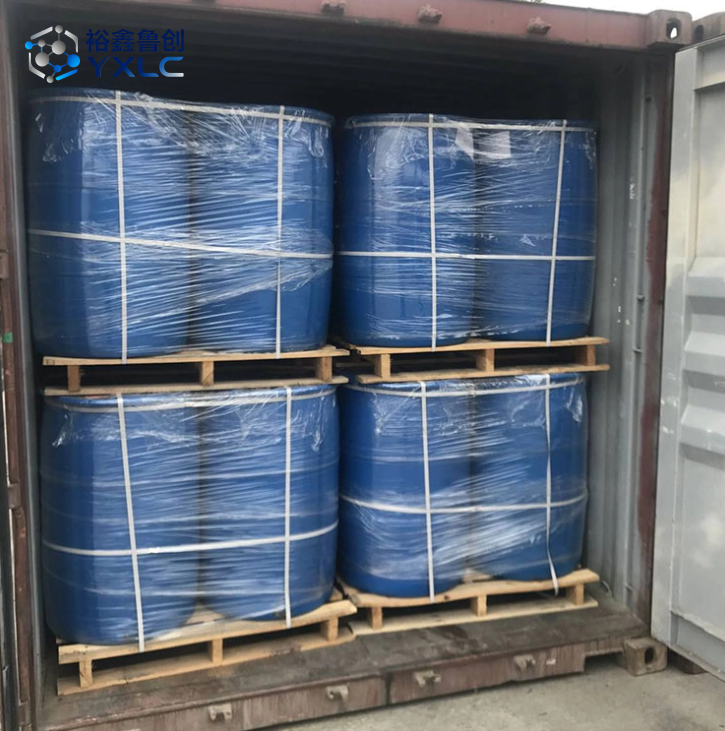
Acrylonitrile CAS#107-13-1
Chemical Name:Acrylonitrile
CAS No.: 107-13-1
Molecular Formula:C3H3N
Molecular weight:53.06
Sample: Available
Mode of Transportation
1. By Air, fast but expensive.
2. By Sea, usual and economy.
3. By Train, suit for middle Asia countries.
4. By Express, suit for small package.
We only provide highest quality goods available, accompanied by after support!
Contact information
PRODUCT DESCRIPTION
Acrylonitrile CAS#107-13-1
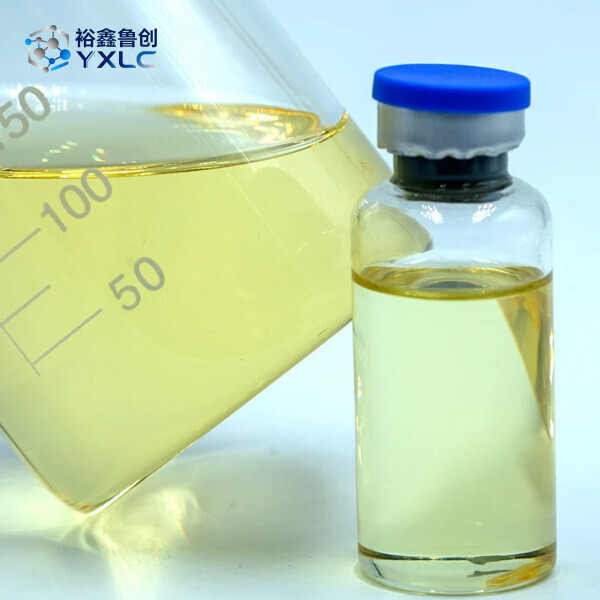
Acrylonitrile is a colourless, flammable liquid. Its vapours might also explode when uncovered to an open flame. Acrylonitrile does now not take place naturally. It is produced in very giant quantities through numerous chemical industries in the United States, and its requirement and demand are growing in latest years. Acrylonitrile is a closely produced, unsaturated nitrile. It is used to make different chemical compounds such as plastics, artificial rubber, and acrylic fibres. It has been used as a pesticide fumigant in the past; however, all pesticide makes use of have been discontinued. This compound is a principal chemical intermediate used in developing merchandise such as pharmaceuticals, antioxidants, and dyes, as nicely as in natural synthesis. The biggest customers of acrylonitrile are chemical industries that make acrylic and modacrylic fibres and high-impact ABS plastics. Acrylonitrile is additionally used in commercial enterprise machines, luggage, building material, and manufacturing of styrene-acrylonitrile (SAN) plastics for automotive, family goods, and packaging material. Adiponitrile is used to make nylon, dyes, drugs, and pesticides.
Safety Information
Product Usage
Acrylonitrile is in particular used in the manufacture of acrylic and modacrylic fibers. It is additionally used as a uncooked cloth in the manufacture of plastics (acrylonitrile-butadiene-styrene and styrene-acrylonitrile resins), adiponitrile, acrylamide, and nitrile rubbers and barrier resins. A combination of acrylonitrile and carbon tetrachloride was once used as a pesticide in the past; however, all pesticide makes use of have stopped. Acrylonitrile is a commercially essential industrial chemical that has been used substantially on the grounds that Nineteen Forties with the fast growth of the petrochemical industry.
The manufacturing of ABS and SAN resins consumes the 2nd greatest extent of acrylonitrile. The ABS resins are produced via grafting acrylonitrile and styrene onto polybutadiene or a styrene–butadiene copolymer and incorporate about 25 wt% acrylonitrile. These merchandise are used to make elements for automobile and leisure vehicles, pipe fittings, and appliances. The SAN resins are styrene–acrylonitrile copolymers containing 25–30 wt% of acrylonitrile. The top of the line readability of SAN resin permits it to be used in vehicle instrument panels, for instrument lenses and for houseware objects (Langvardt, 1985; Brazdil, 1991).
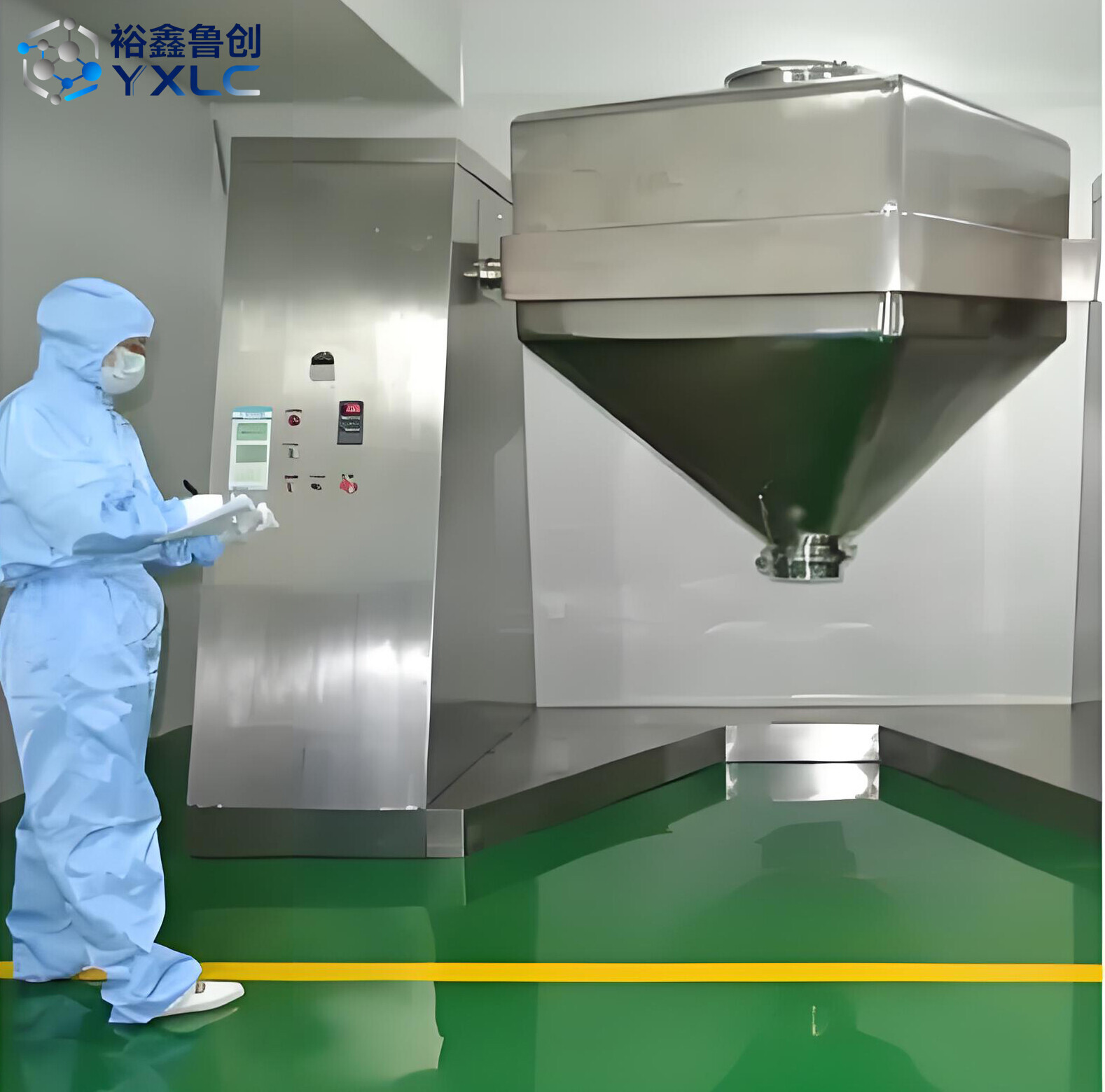
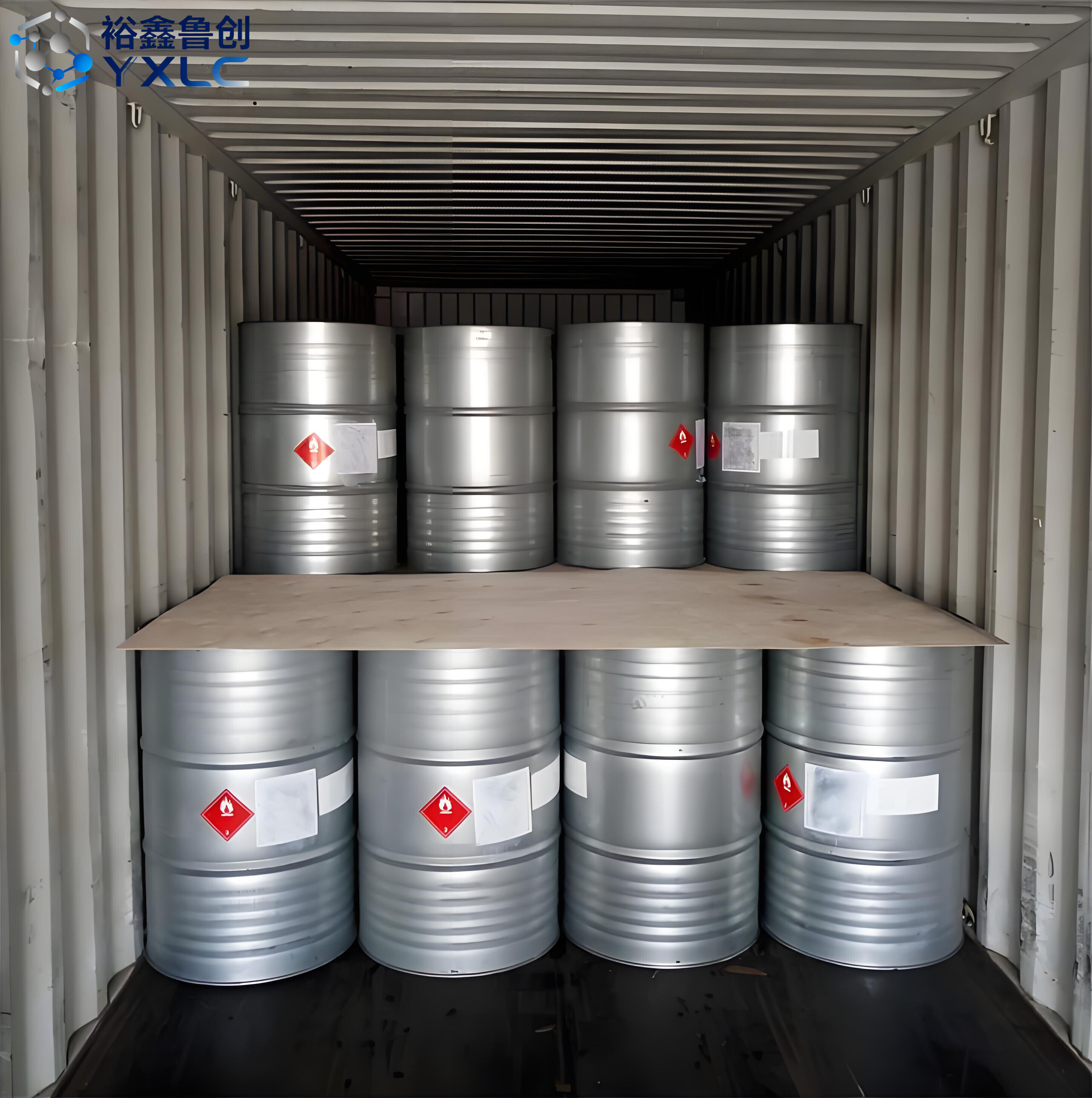
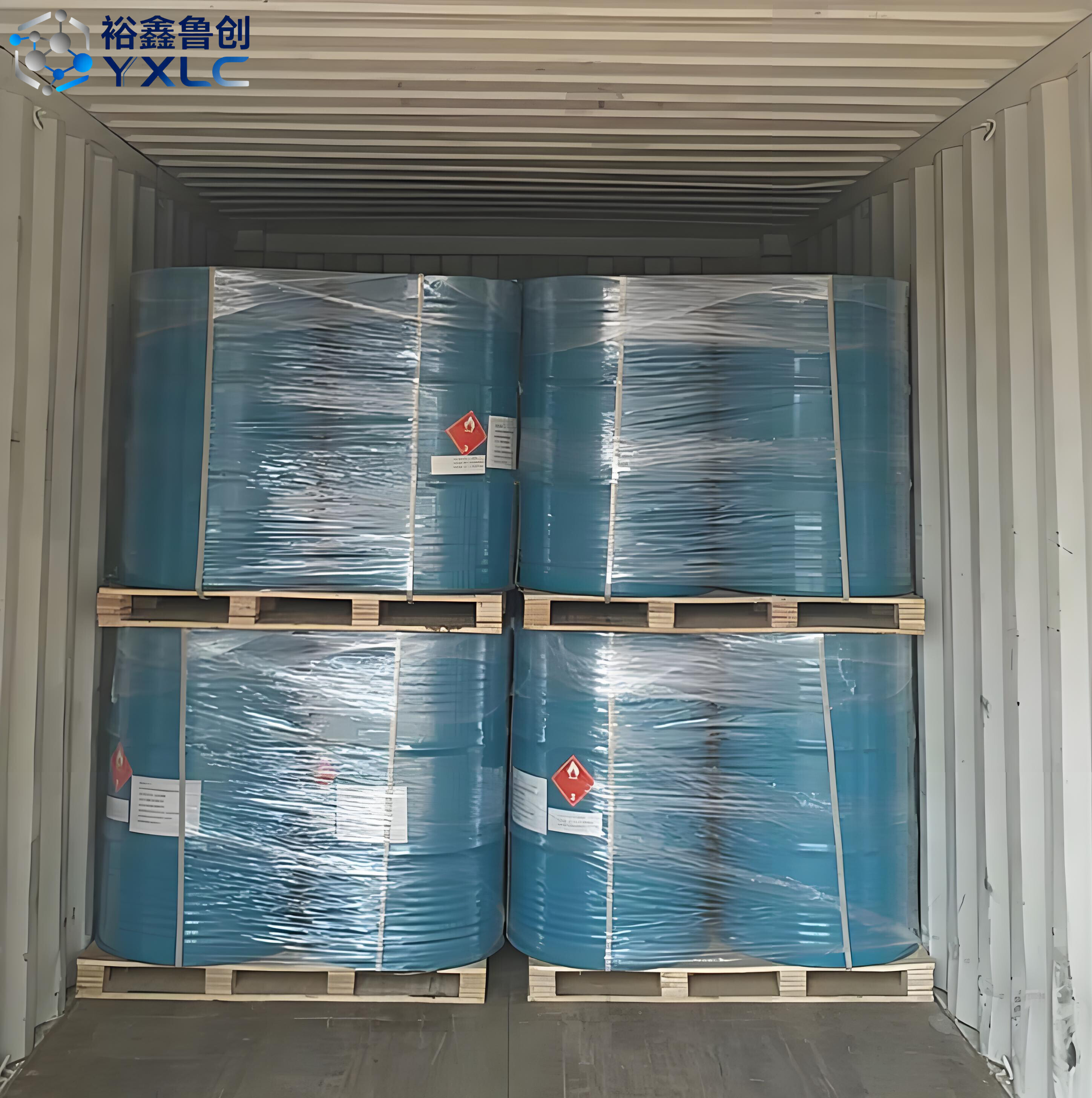
Factory Showcase
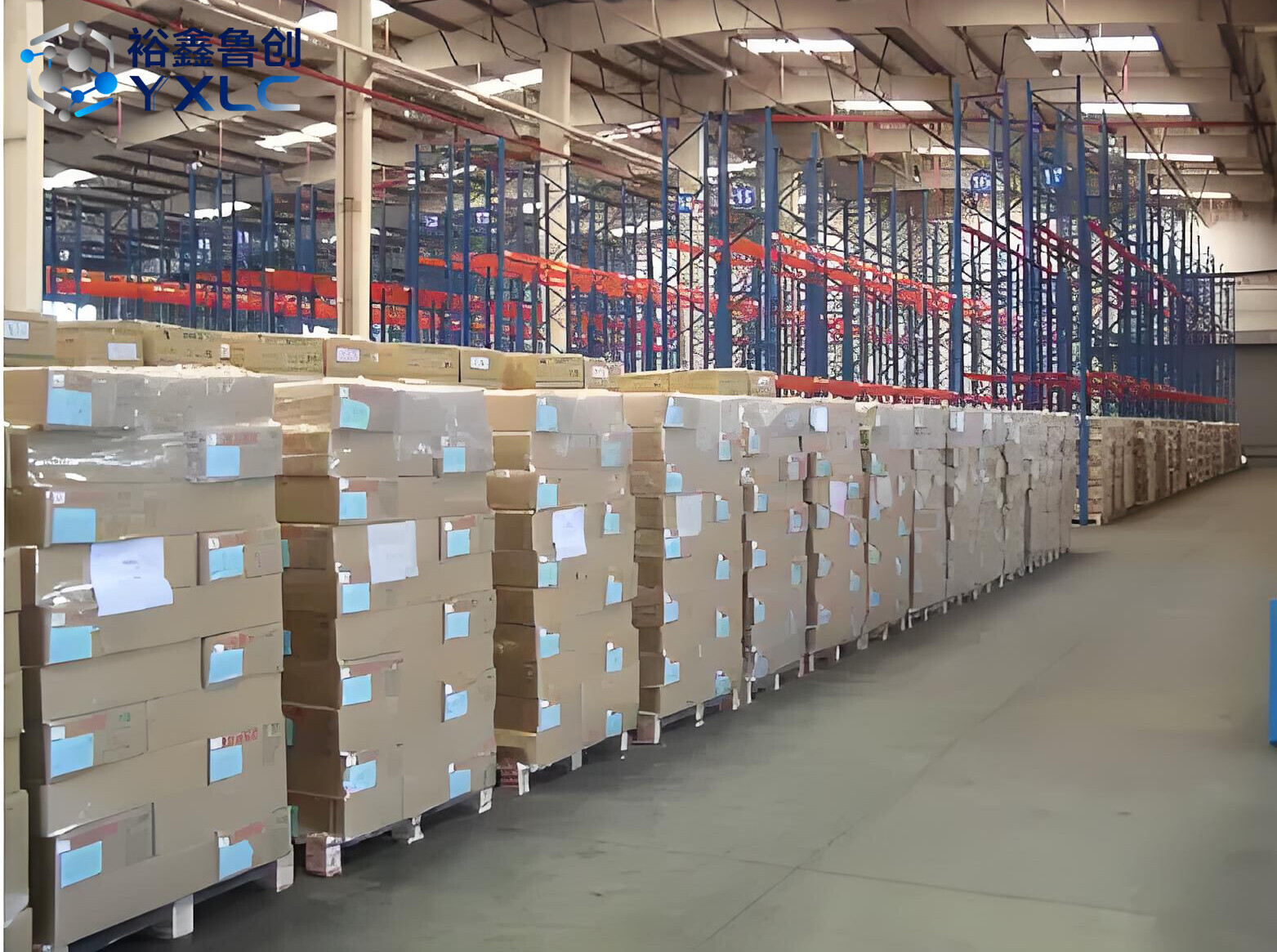
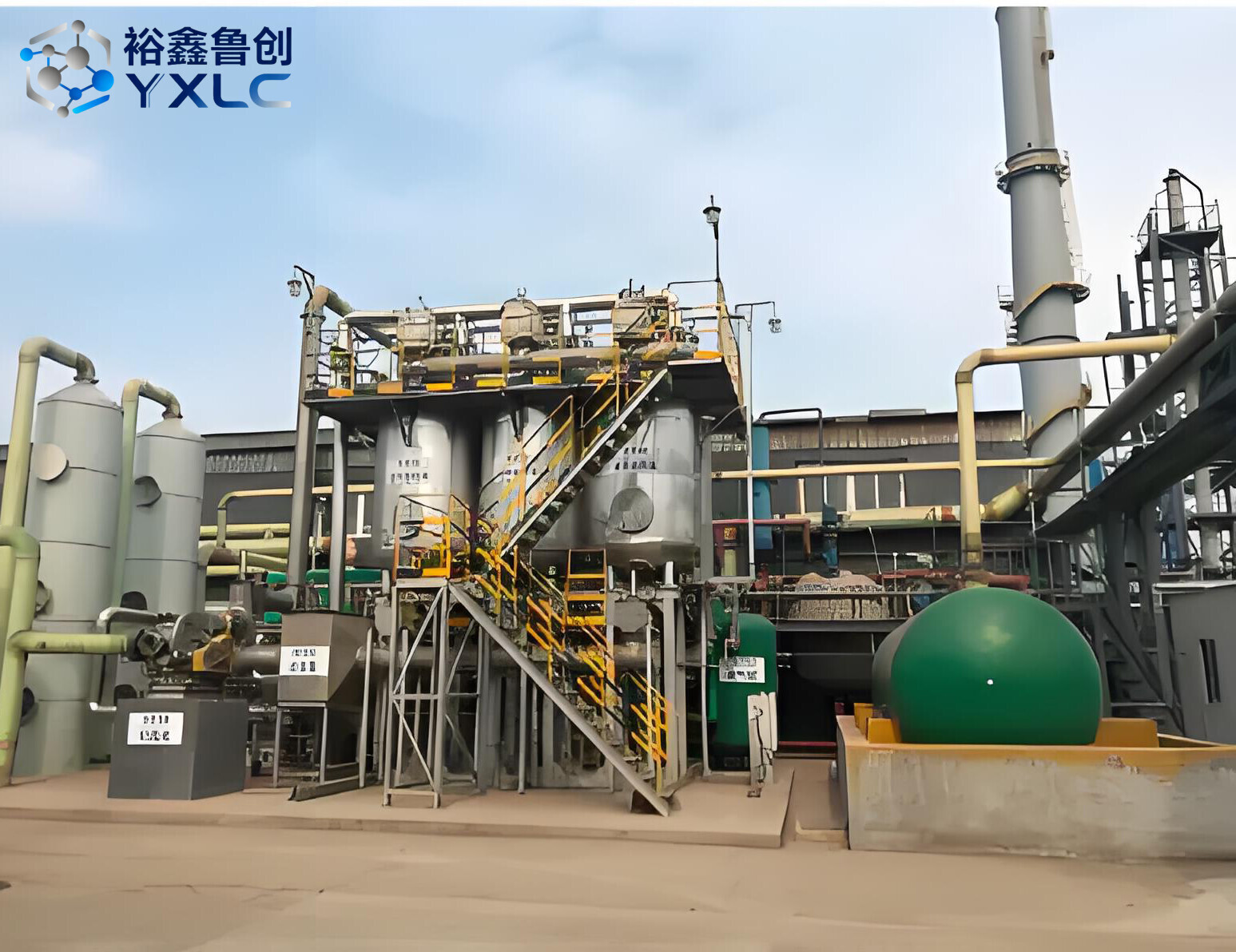
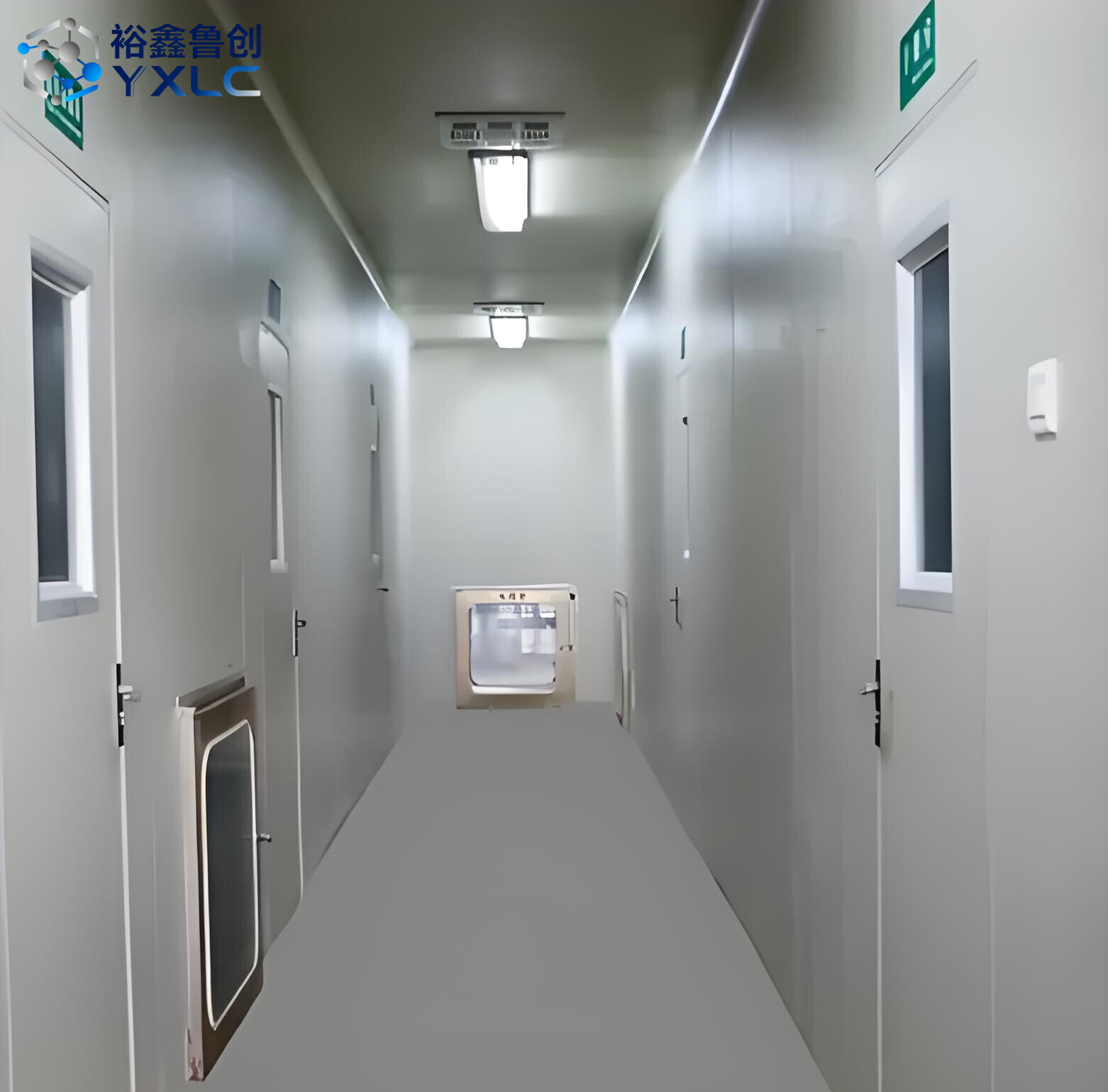
Fast transport time
Inventory 2-3 working days New manufacturing 7-10 working days
FAQ
Q:What about your price?
A:Our price is very competitive because we are a factory. Feel free to contact us if you are interested in our products.
Q:Can I go to your factory to visit?
A:Of course, we welcome customers from all over the world to visit our factory.
Q:What product information do I need to provide?
A:You need to provide the grade, width, thickness, coating and the number of tons you need to purchase.
Q:How about the delivery time?
A:Within 3-15 days after we confirm you requirement.
Q:What is your terms of payment ?
A:T/T, L/C at sight, Cash, Western Union are all accepted if you have other payment,please contact me.
Q: Do you provide samples?
A:Yes,we could offer the sample for you to test but please pay freight fee.
INQUIRY
RELATED PRODUCTS
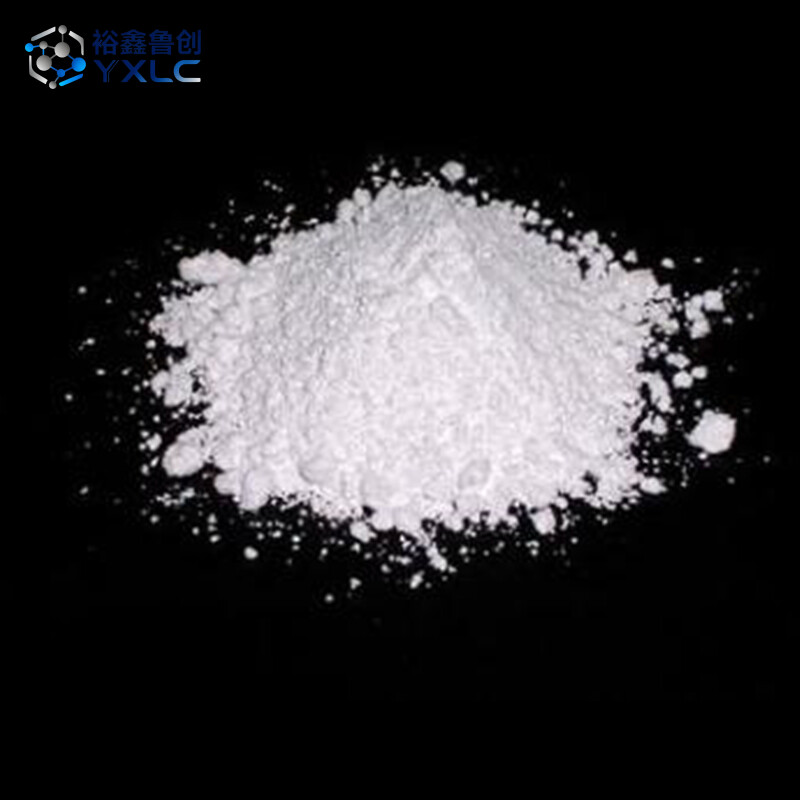
 Barium sulfateCAS No. 7727-43-7
Molecular Formula: BaO4S
Molecular Weight: 233.39
EINECS No. 231-784-4
Chinese synonyms: modified ultrafine barium sulfate; barium sulfate, PRECIPIITATED; barium sulfate, PURATRONIC®, 99.998% (METALSBASIS); barite, natural mineral, grain size, approximately 0.5 inch; C.I. Pigment White 21; medical barium sulfate; barite powder; pharmaceutical barium sulfateLearn More
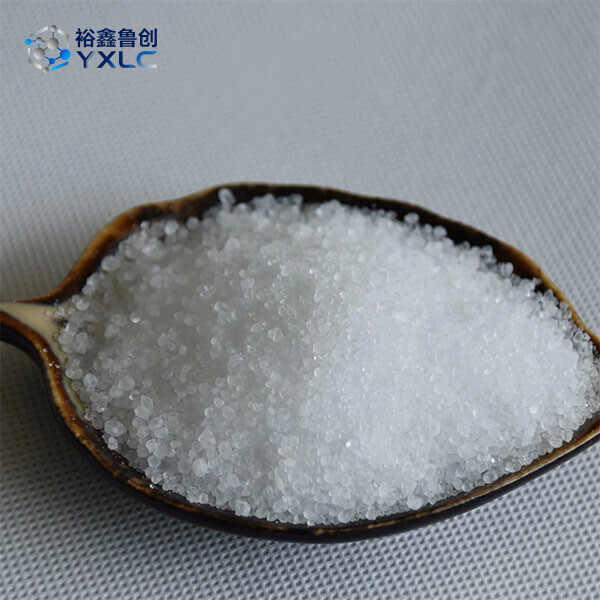
 Citric AcidCitric Acid Monohydrate
Citric Acid Dihydrate
Citri Acid Anhydrous
C₆H₈O₇
CAS:77-92-9
EINECS:201-069-1
Citric acid (CA),also known as citric acid,with the molecular formula of C₆H₈O₇,is an important organic acid,which is colorless crystal,odorless,has a strong sour taste,and is easily soluble in water.It is an acidity regulator (GB2760-2014) and a food additive.Learn More
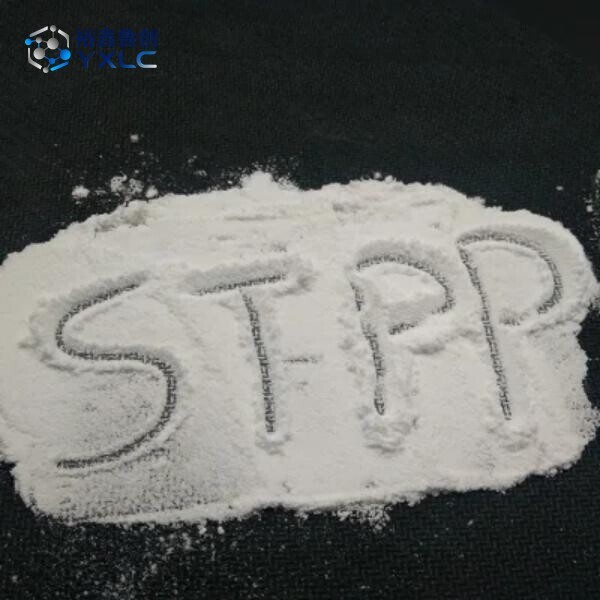
 Sodium TripolyphosphateSodium Triphosphate
STPP
Na5P3O10
CAS:7758-29-4
EINECS:231-838-7
Sodium tripolyphosphate,is a kind of inorganic compound,chemical formula Na5P3O10,is a kind of amorphous water-soluble linear polyphosphate,often used in food,as water retention agent,quality improver,pH regulator,metal chelating agent.Learn More
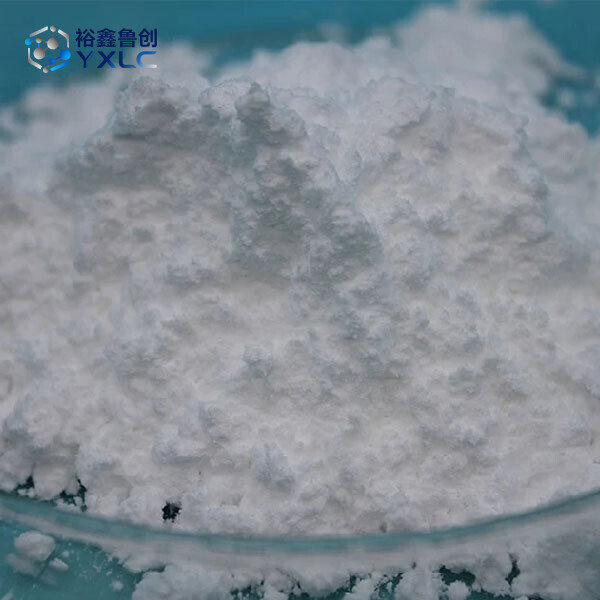
 MelamineTripolycyanamide
Cyanurotriamide
MEL
MF
C3H6N6
CAS:108-78-1
EINECS:203-615-4
Melamine,commonly known as melamine,protein extract with the molecular formula C3H6N6,is a triazine nitro-containing heterocyclic organic compound used as a chemical raw material.It is white monoclinic crystal,almost odorless,harmful to the body,should not be used in food processing or food additives.Learn More
 Calcium HypochloriteIime Chlorite
HypoChlorite Calcium
Chlorine Tablet
Ca(ClO)2
CAS:7778-54-3
EINECS:231-908-7
Calcium hypochlorite,an inorganic compound with the chemical formula Ca(ClO)2,is often used in the bleaching process of chemical production.It plays an important role in industrial production because of its rapid onset and prominent bleaching effect.Learn More
 Ammonium CarbamateAmmonium Carbamate
Carbamic Ammonium
Carbamic Acid Ammonium Salt
CH6N2O2
CAS:1111-78-0
EINECS:214-185-2
Ammonium carbamate is an organic compound with the chemical formula NH2COONH4.It is an intermediate product of urea production in the chemical industry.Urea can be formed by heating and dehydration.Learn More
 Sodium dichloroisocyanurateDCCA
DCCNa
SDIC
Dichloroisocyanuric acid
Dimanin
CAS:2893-78-9
EINECS:220-767-7
C3Cl2N3NaO3
Sodium dichloroisocyanurate (DCCNa),is an organic compound,the formula is C3Cl2N3NaO3,at room temperature as white powder crystals or particles,chlorine smell.
Sodium dichloroisocyanurate is a commonly used disinfectant with strong oxidizability.It has a strong killing effect on various pathogenic microorganisms such as viruses,bacterial spores,fungi and so on.It is a kind of bactericide with wide application range and high efficiency.Learn More
 N-MethyldiethanolaMineMDEA
2,2-(Methylimino)Diethanol
2,2-Methyliminodiethanol
N-Methyl Diethanolamine
Methyl Diethanlamine
2-hydroxy-N-(2-hydroxyethyl)-N-methylethanaminium
C5H13NO2
CAS:105-59-9
EINECS:203-312-7
N-methyldiethanolamine,is an organic compound,chemical formula C5H13NO2,for colorless or dark yellow oily liquid,can be miscible with water,alcohol,slightly soluble in ether.Mainly used as emulsifier and acid gas absorbent,acid base control agent, polyurethane foam catalyst,also used as antitumor drugs such as nitrogen mustard hydrochloride intermediate.Learn More
 Sodium FormateHCOONa
NaCOOH
Sodium formateHCOONa
CAS:141-53-7
EINECS:205-488-0
Sodium formate is one of the simplest organic carboxylate salts,white crystals or powder, slightly formic acid odor.Its aqueous solution is basic.In the leather industry,it is used as a camouflage acid in chrome tanning process,as a catalyst and stabilizing synthetic agent,and as a reducing agent in printing and dyeing industry.Learn More
 Sodium BicarbonateBaking Soda
Bicarbonate of Soda
NaHCO
Sodium Hydrogen Carbonate
Dicarbonate
CAS:144-55-8
EINECS:205-633-8
NaHCO₃
Sodium bicarbonate, or NaHCO₃,is an inorganic compound that is a white crystalline powder, odorless,salty,and very soluble in water.Learn More
 Sodium ThiosulfateSodium Hyposulfite
Hyposulphite
Sulfactol
Sodium Thiosulfate Pentahydrate
Natrii Thiosulfas
Hyposulfite of Soda
Na2S2O3
CAS:7772-98-7
EINECS:231-867-5
Sodium thiosulfate,a common thiosulfate,has the chemical formula Na2S2O3,which is the product of sodium sulfate in which an oxygen atom is replaced by a sulfur atom,so the oxidation number of the two sulfur atoms is -2 and +6 respectively.Learn More
 Benzyl alcohoBzOH
Benzenemethanol
phemethylol
BP
Phenylcarbinol
Methyl Hydroxy Benzene
CAS:100-51-6
EINECS:100-51-6
C7H8O
Benzyl alcohol,an organic compound known as C7H8O,is found naturally as an ester in essential oils such as jasmine oil,hyacinth oil and Peruvian balm.Learn More
 Cobalt SulfateCobalt Sulphate
Cobaltous Sulfate
CoSO
Cobalt Sulfate Heptahydrate
CAS:10026-24-1;60459-08-7
EINECS:233-334-2
H2CoO5S
Cobalt sulfate,an inorganic compound,is mainly used in ceramic glazes and paint drying agents,but also used in electroplating,alkaline batteries,the production of cobalt-containing pigments and other cobalt products,can also be used as catalysts,analytical reagents,feed additives,tire adhesives,Lide powder additives,etc.Learn More
 Formic acidMethanoic acid
HCOOH
CH2O2
Formylic acid
Formate
CAS:64-18-6
EINECS:200-001-8
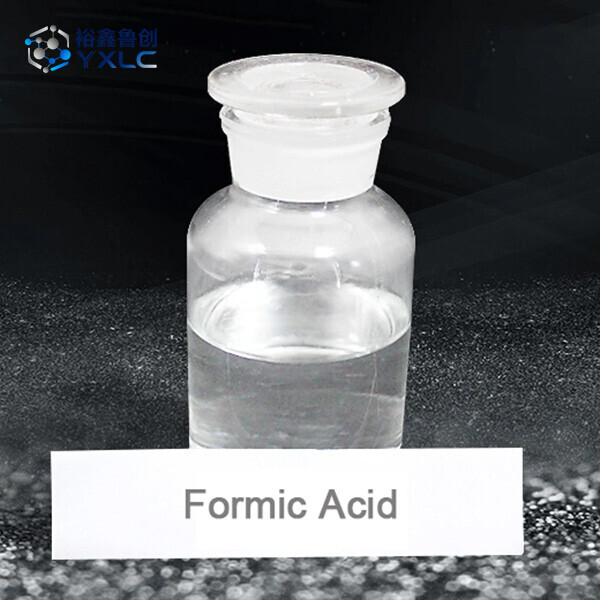
Formic acid is an organic substance with the chemical formula HCOOH.It is a colorless and pungent liquid. Formic acid is a weak electrolyte,but its aqueous solution is weakly acidic and corrosive,which can stimulate skin blistering.Commonly found in the secretions of bees,certain ants,and caterpillars.It is an organic chemical material and is also used as a disinfectant and antiseptic.Learn More
 Potassium HydroxideCaustic Potash
KOH
Sodium Hydroxide
CAS:1310-58-3
EINECS:215-181-3
Potassium hydroxide,is a kind of inorganic compounds,chemical formula for KOH,is a common inorganic base,with strong alkaline,0.1mol/L solution of pH 13.5,soluble in water, ethanol,slightly soluble in ether,easy to absorb the water in the air and deliquescent, absorb carbon dioxide and into potassium carbonate,mainly used as raw materials for the production of potassium salt,can also be used for electroplating,printing and dyeing.Learn More